

Four segments, one hub connection each way, and a meeting that moved without warning. Here’s where elite status actually earned its keep — and where it didn’t matter at all.
People ask me what elite status is actually worth, and I understand why the question is hard to answer honestly. Airlines market status as a life upgrade. Frequent flyers talk about it like a secret handshake. The truth sits somewhere more boring and more useful: status is a set of small probability improvements that show up unevenly across a trip. Some days it barely matters. Other days it’s the entire difference between a workable schedule and a wrecked one.
I recently ran a four-segment business trip that gave me a clean look at both ends of that range — a regional origin, a connection through Charlotte, a leg out to Dallas–Fort Worth, and the same routing home. Nothing about the itinerary was unusual. That’s exactly why it’s a useful example instead of a highlight reel.
The Shape of the Trip
I’m intentionally not attaching specific dates, flight numbers, or my exact tier to this account, because the point isn’t the numbers — it’s the pattern. Four segments. One hub used in both directions. Two meetings on the ground, one of which moved on short notice. That’s a completely ordinary week for a lot of people reading this.
The Trip
Where Status Showed Up
Upgrade priority is the benefit everyone asks about first, so I’ll start there. I requested an upgrade on all four segments and cleared on two of them — both longer legs with healthier first-class cabins and softer competing lists. The two short regional segments never cleared, and there’s no mystery why: small cabins, few seats to sell, and a list of other elites ahead of and behind me competing for the same handful of spots. Status improved my position in that list. It did not create seats that weren’t there.
Status doesn’t create inventory. It just moves you up the list for whatever inventory happens to exist that day.
The benefit that actually saved the trip wasn’t the upgrade at all — it was flexibility. My afternoon meeting in Dallas got pulled two hours earlier the night before, which meant I needed to be on an earlier connection out of Charlotte than the one I’d booked. Same-day change access let me move onto an earlier flight without a fee conversation, a hold-music marathon, or a gate agent negotiation. I made the meeting on time. Without that flexibility, I’d have been explaining a late arrival instead of sitting in the room when it started.
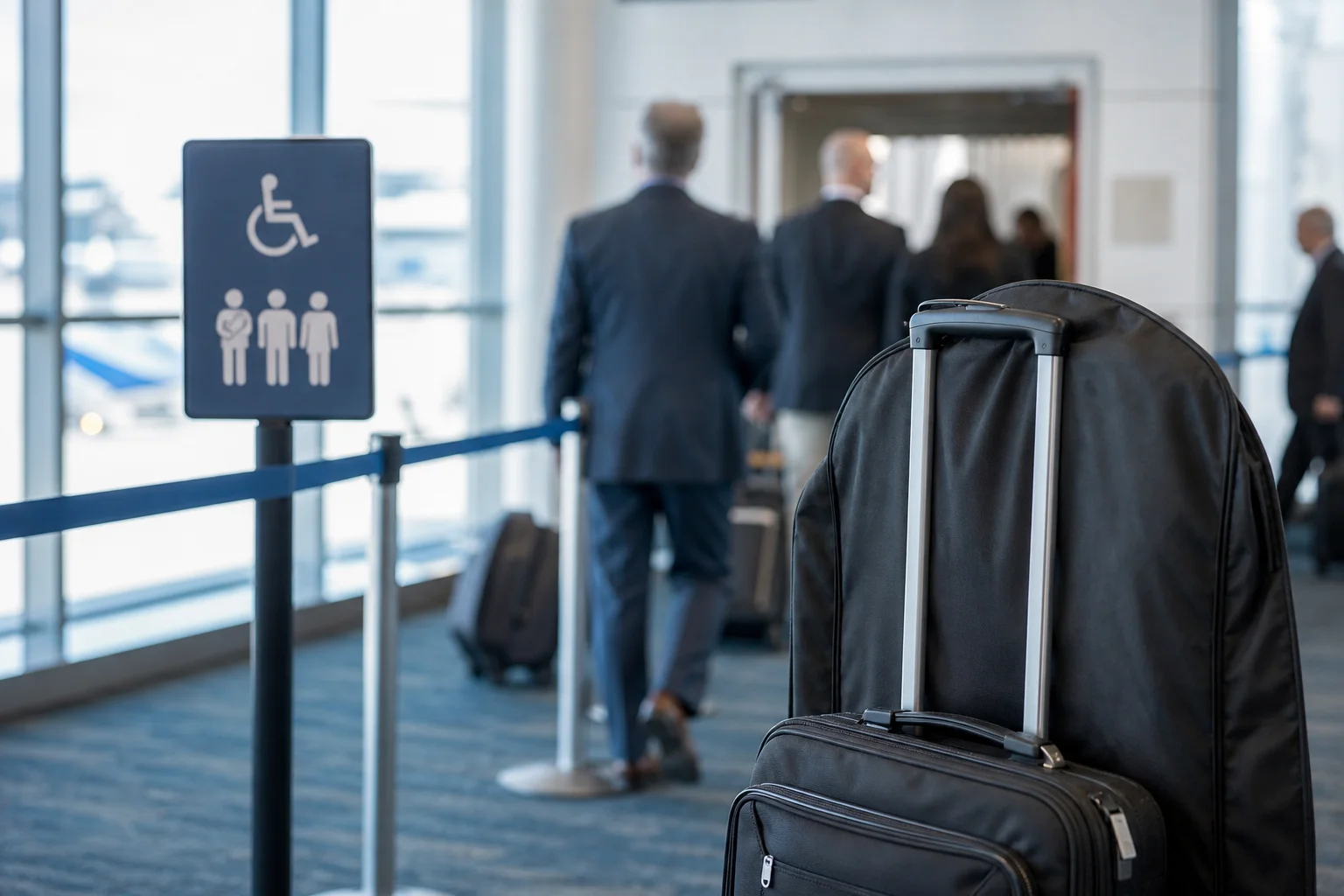
Boarding order mattered more than I expected on a short trip. I was traveling with a garment bag and a laptop bag, nothing unusual, but on the regional jet that meant the difference between overhead space near my row and a bag getting valet-tagged at the last minute. Priority boarding didn’t upgrade my seat or my day in any dramatic way — it just meant I wasn’t standing in the jet bridge working out where my bag was going to end up.
Then there was the recovery call. One of my connections on the return got reshuffled by an equipment change, and the phone line for elites got me rebooked in a few minutes onto a routing that still got me home that night instead of the next morning. That’s the benefit that’s easiest to undervalue until the day you actually need it, because on a normal trip it does nothing for you at all. It only shows value on the days something breaks.
A Practical Way to Think About It
Don’t judge elite status by whether it upgraded a specific flight. Judge it by how it performed on the one segment of the trip that didn’t go according to plan. That’s the segment that actually reveals what the status is doing for you.
Where Status Didn’t Help at All
I want to be equally direct about the limits, because overselling status is exactly the kind of marketing language I try to avoid here. The two regional segments on this trip were small aircraft with essentially no upgrade inventory to work with — a handful of first-class seats that were already accounted for well before I checked in. No amount of status moves you up a list when the list is longer than the cabin.
Weather was the other equalizer. A ground stop on the outbound leg delayed everyone at the gate the same amount, elite or not. Status can get you rebooked faster once a delay happens. It cannot make the delay not happen, and it’s worth being honest with yourself about that distinction before you build a schedule that assumes otherwise.
The Honest Summary
Elite status, in practice, is a probability improver and a friction reducer. It nudges upgrade odds upward when inventory exists. It removes friction from schedule changes, boarding, and irregular-operations recovery. It does not guarantee an upgrade, and it does not immunize a trip against weather, mechanical issues, or an undersized regional cabin. Anyone selling status as a guarantee of a better seat is skipping the second half of that sentence.
What I actually value is less glamorous than a lie-flat seat photo: predictability when a trip goes sideways. On a four-segment week with one meeting that moved and one connection that got rebuilt on the fly, that predictability is what kept the trip on schedule. The upgrades were a nice add. The flexibility and the recovery support were the actual return on the status.
Same-day flexibility and faster phone-based recovery when the schedule changed without warning.
Zero upgrade leverage on small regional aircraft with no real first-class inventory to compete for.
Yes — the value shows up on the bad days, not the easy ones, and this trip had exactly one bad day.
Frequent business travelers who route through a hub regularly and need schedule flexibility more than they need a guaranteed upgrade.
Elite status didn’t rescue this trip by upgrading every seat — it rescued it by absorbing the one disruption that could have blown up the schedule. That’s a fair trade, but it’s a different value proposition than the one status gets marketed on.

Leave A Comment